What Does Self-Reiki Feel Like? What to Expect During Reiki
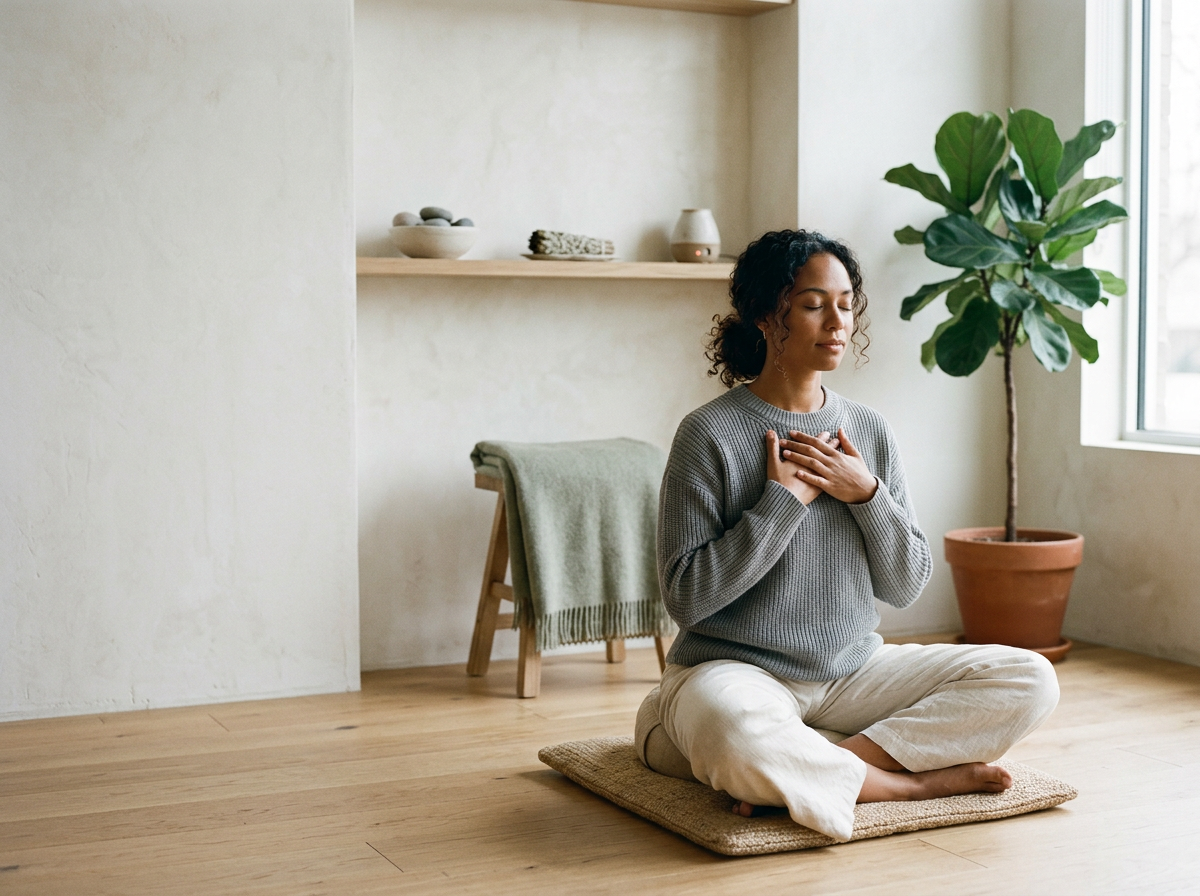
One of the first things we all often wonder when we begin practicing Reiki on ourselves is: “What am I actually supposed to feel?”
Perhaps you've placed your hands in position, closed your eyes and waited for something to happen. Maybe you've felt warmth, tingling or a gentle pulsing sensation. Or perhaps you've felt... nothing.
And if you've felt nothing, you might have wondered whether you're doing it wrong. The good news is that there isn't one correct way to experience self-Reiki.
Your experience can change from one session to the next, and you don't need to have a dramatic sensation for your practice to be meaningful.
So, what does self-Reiki actually feel like?
People describe their experiences with Reiki in many different ways. During a self-Reiki practice, you might notice:
warmth or coolness in your hands
tingling or subtle pulsing
a feeling of heaviness or lightness
a sense of relaxation
becoming sleepy or deeply still
emotions coming to the surface
breathing becoming slower and deeper
your thoughts are calmer or quieter
a feeling of being more present
or simply a pleasant sense of stillness
And sometimes you might notice very little at all. And that’s ok! All of these experiences can happen. There is no sensation that you must experience.
What if I don't feel anything?
This is probably one of the biggest worries people have when they first practice Reiki.
You put your hands in position and think: “Am I supposed to feel something by now?” Then you start concentrating on your hands. You wonder whether they're warm enough or move them slightly. You start questioning whether you're doing the position correctly.
Before you know it, you're no longer relaxing, you're monitoring yourself.
I've found that one of the most helpful things you can do is let go of the expectation that something has to happen.
You don't need to create a sensation and force yourself to feel relaxed or have an emotional experience.
And you certainly don't need to compare your experience with somebody else's. Sometimes, self-Reiki can feel very subtle.
The most noticeable thing is simply giving yourself permission to stop for a while.
Am I doing Reiki correctly?
If you're new to self-Reiki, this is such a natural question. You might wonder:
“Are my hands in exactly the right place?”
“Am I concentrating enough?”
“Should I be feeling energy?”
“What if my mind keeps wandering?”
Try not to turn your Reiki practice into another thing you have to get perfect.
If you've been attuned to Reiki, you can follow the practice and hand positions you've been taught and allow yourself to settle into the experience.
Your mind will probably wander. That's normal. It will remind you of your ever-growing to-do list. Maybe you’ll hear a noise and wonder what time it is. And on top of it all, you might even find yourself thinking about what you're going to have for dinner.
It doesn't mean you've failed. Simply notice it and gently return your attention to your breath, your hands or the experience of being still.
You don't have to force your mind to be completely empty.
Your Reiki experience may be different every time
One of the things I think is important to remember is that you don't necessarily experience Reiki in exactly the same way every time you practice.
One day you might feel incredibly relaxed.
Another day you might have a busy mind.
You might feel warmth in your hands during one session and nothing particularly noticeable during the next.
Sometimes emotions may arise.
Sometimes you may simply enjoy twenty minutes of peace and quiet.
And that's okay.
You are not being tested.
There isn't a particular sensation you need to achieve before you can say, “That was a good Reiki session.”
Try replacing “Am I feeling it?” with “Can I simply be here?”
This small change in mindset can make a surprisingly big difference.
Instead of constantly checking, “Is Reiki working?” try asking yourself:
“Can I simply be here for the next few minutes?”
Feel the support of your body, notice your breathing or the weight and warmth of your hands, and listen to the sounds around you.
Allow the practice to unfold without needing to analyse every moment. At times, the desire to feel something becomes the very thing that makes it difficult to relax into the practice.
You don't have to keep watching the screen
When I created my latest self-Reiki practice, I wanted to make it as simple as possible to follow.
It's a 24-minute self-Reiki practice accompanied by gentle 432 Hz ambient music, soft rain and the sounds of a peaceful autumn garden with a little stream and gazebo.
I've included a gentle bell every three minutes to guide you through each hand position.
There’s no need to keep opening your eyes to check the time to remember when to move your hands. Simply listen for the bell and, when you hear it, gently move your hands to the next position.
The practice moves through:
Crown
Heart
Throat
Solar Plexus
Lower Abdomen
Lower Back
Root
Rest & Receive
The final few minutes are simply about resting and receiving.
Try the 24-Minute Self-Reiki Practice
If you'd like to explore your own experience of self-Reiki, you can practice along with the video below.
Once you've settled into your position, you don't need to watch the screen. Close your eyes and listen to the rain. Hear the gentle bell and be guided to the next position when you're ready. And give yourself permission to simply receive.
What if a hand position isn't comfortable?
Your comfort matters. If you can't comfortably reach a particular position (especially the lower back), don't force your body into an awkward position just because that's where the sequence says your hands should go. Choose another comfortable position, and adapt your practice to your own body.
Reiki doesn't need to become another reason to push yourself beyond what feels comfortable.
There is no Reiki test at the end
Perhaps this is the most important thing I'd like you to take away: there is no test at the end of your Reiki session.
You don't have to feel heat, tingling, see colors, experience an emotional release, or feel completely different afterward, or prove that anything happened. You may simply have spent 24 quiet minutes with your hands resting on your body, your breathing slowing down and your attention turned gently back toward yourself.
And sometimes, that is enough. Self-Reiki doesn't have to be another thing you do perfectly. It can simply be a small ritual that reminds you to pause, breathe, listen, and give yourself a little space.
Continue Your Reiki Practice
If you're ready to give yourself 24 quiet minutes, put your hands in a comfortable position, settle in and press play.
Listen for the gentle three-minute bell.
You don't need to watch.
You don't need to analyse.
Just breathe, relax and receive.
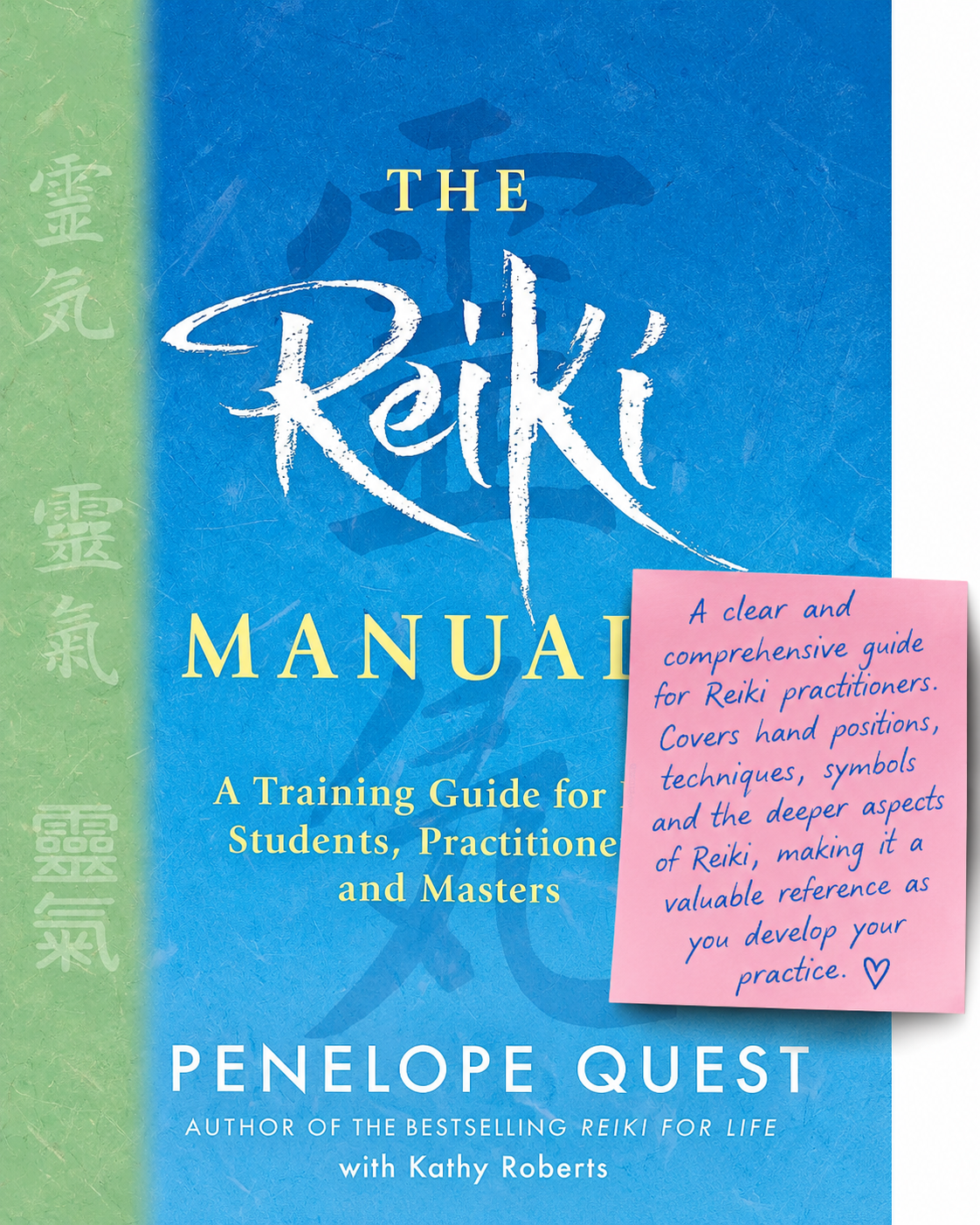
If you'd like to explore Reiki more deeply, The Reiki Manual by Penelope Quest is a useful reference for Reiki students and practitioners. It covers Reiki practice, hand positions and different aspects of working with Reiki, making it a helpful companion as you develop your own practice.
Some links may be affiliate links. If you purchase through one, I may receive a small commission at no extra cost to you. Thank you for supporting Natura Reiki. 🤍
Reiki is a complementary spiritual and relaxation practice. It should not be used as a substitute for medical advice, diagnosis or treatment. If you have a health concern, speak with an appropriate healthcare professional.